
Call us now :+919328202932
 Send Inquiry
 Send Inquiry
Nickel Oxide
Price 100-10000 INR/ Kilograms
MOQ : 50 Kilograms
Nickel Oxide Specification
- Structural Formula
- NiO
- Product Type
- Inorganic Compound
- Melting Point
- 1984C
- Properties
- Stable, insoluble in water, green to black appearance, good thermal stability
- CAS No
- 1313-99-1
- Density
- 6.67 Gram per cubic centimeter(g/cm3)
- EINECS No
- 215-208-9
- HS Code
- 28255010
- Refractive Rate
- 2.37
- Taste
- Odorless
- Smell
- Odorless
- Appearance
- Green to black powder
- Shelf Life
- 24 months
- Physical Form
- Powder
- Poisonous
- YES
- Shape
- Fine Powder
- Molecular Weight
- 74.69 g/mol
- Application
- Catalyst, ceramics, electronic components, glass, batteries
- Purity
- 99% min
- Grade
- Industrial Grade
- Molecular Formula
- NiO
- Storage
- Store in a cool, dry place, tightly sealed container
- Ingredients
- Nickel Oxide (NiO)
- Ph Level
- 8.3 (10% aq. sus.)
- Solubility
- Insoluble in water; soluble in acids
- Usage
- Used in ceramics, nickel salts, battery electrodes
- EC Number
- 215-208-9
- Particle Size
- < 5 microns
- Boiling Point
- 2730C
- Packaging Type
- HDPE Bags / Drums
- Hazard Class
- 6.1 (Toxic substances)
- UN No.
- UN 3288
- Auto-ignition Temperature
- Not combustible
- pH of 10% Solution
- 8.3
Nickel Oxide Trade Information
- Minimum Order Quantity
- 50 Kilograms
- Supply Ability
- 1000 Kilograms Per Week
- Delivery Time
- 1 Week
About Nickel Oxide
We are providing to our valued clients high-quality inorganic chemical which is known as Nickel Oxide. This finds extensive applications in the production of nickel steel alloys. Nowadays, it is also used for the manufacturing of rechargeable batteries which are an essential component in the modern electronic devices. To manufacture this chemical compound, we have used top-rated nickel ores and other requisite raw material for the production of top-notch quality Nickel Oxide. Besides, this comes in the impermeable packaging responsible for retaining its purity.
Product Details
| Formula | NiO |
| Physical State | Powder |
| Packaging Type | Bag |
| Molar mass | 74.6928 g/mol |
Specifications:
Density: 6.67 g/cm³
Other Details
| Physical State | Powder |
| Packaging Type | Bag |
| Molar mass | 74.6928 g/mol |
| Formula | NiO |
| CAS Number | 1313-99-1 |
| Density | 6.67 g/cm3 |
| Melting point | 1,955 Degree C |
| Packaging Size | 25-50 kg |
| Shelf Life | 1 Year |
| Purity | 95% |
| Usage/Application | Industrial |
| Grade | Technical Grade |
Applications & Versatility
Nickel Oxide finds extensive use in diverse industries such as ceramics, catalysts, glass, electronic components, and batteries. Its robust thermal stability and high purity make it suitable for specialized industrial processes, including the manufacturing of nickel salts and electrodes for batteries. The fine particle size (<5 microns) further enhances its adaptability in high-precision applications.
Safe Storage & Handling
Given its toxic nature (Hazard Class 6.1), Nickel Oxide powder should always be handled with care. It must be stored in tightly sealed HDPE bags or drums, placed in a cool, dry area to prevent exposure. Proper personal protective equipment is essential during processing to minimize the risk of inhalation or contact.
FAQs of Nickel Oxide:
Q: How should Nickel Oxide be properly stored to maintain its quality?
A: Nickel Oxide should be stored in a cool, dry location in tightly sealed HDPE bags or drums. This method prevents contamination, moisture absorption, and prolonged exposure to air, thereby maintaining its chemical stability and effectiveness for up to 24 months.Q: What is the recommended use of Nickel Oxide in industrial applications?
A: Nickel Oxide is used in various sectors as a catalyst, in ceramic and glass manufacturing, the production of electronic components, and as an active material in battery electrodes. Its fine particle size and high stability make it especially effective for these purposes.Q: Where is Nickel Oxide typically utilized within manufacturing processes?
A: It is commonly incorporated into processes requiring high thermal stability, such as the production of ceramics, catalysts, specialty glass, electronic components, and batteries, particularly in the forming of nickel salts and electrode materials.Q: What are the benefits of using Nickel Oxide with fine particle size and high purity?
A: Fine particle Nickel Oxide delivers better dispersion in matrices, improved reaction rates, and consistent product quality in end applications like ceramics and catalysts, while its 99% purity ensures minimal impurities and superior performance.Q: How toxic is Nickel Oxide, and what precautions should be observed during handling?
A: Nickel Oxide is classified as a toxic material (UN 3288, Hazard Class 6.1). Avoid inhalation or direct skin contact by wearing proper personal protective equipment and following recommended workplace safety standards.Q: When does Nickel Oxide exhibit its best performance properties?
A: Nickel Oxide exhibits optimal performance in environments demanding thermal stability, chemical resistance, and consistent high purity, such as high-temperature ceramic firing, battery manufacturing, and catalytic reactions.Q: What is the process for disposing of Nickel Oxide waste safely?
A: Disposal should follow local environmental and hazardous waste regulations. Collect waste material in tightly sealed containers and hand over to certified hazardous waste disposal facilities to prevent environmental contamination.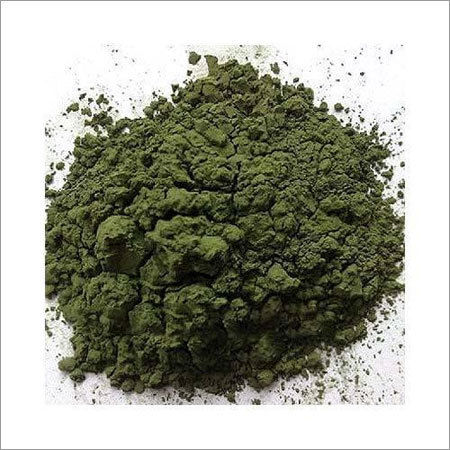
Tell us about your requirement

Price:
Quantity
Select Unit
- 50
- 100
- 200
- 250
- 500
- 1000+
Additional detail
Mobile number
Email

More Products in Nickel Chemical Category
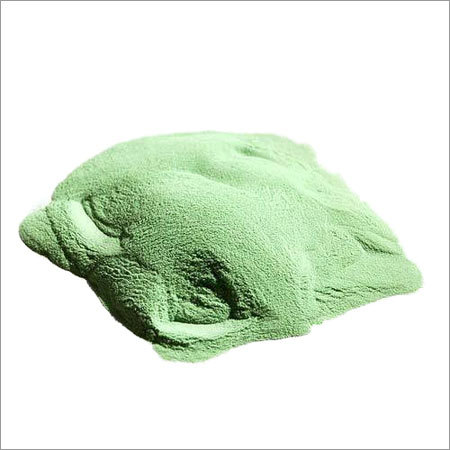
Nickel Carbonate
Price 100-10000 INR / Kilograms
Minimum Order Quantity : 100 Kilograms
HS Code : 28369990
Taste : Other, Odorless, tasteless
Smell : Other, Odorless
Density : 4.39 Gram per cubic centimeter(g/cm3)
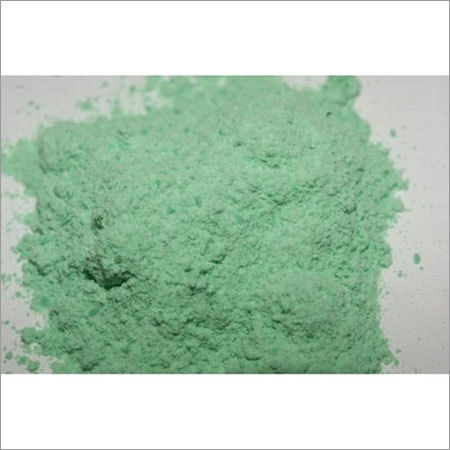
Nickel Hydroxide
Price 100-10000 INR / Kilograms
Minimum Order Quantity : 50 Kilograms
HS Code : 28250020
Taste : Odorless
Smell : Other, Odorless
Density : 4.10 Gram per cubic centimeter(g/cm3)
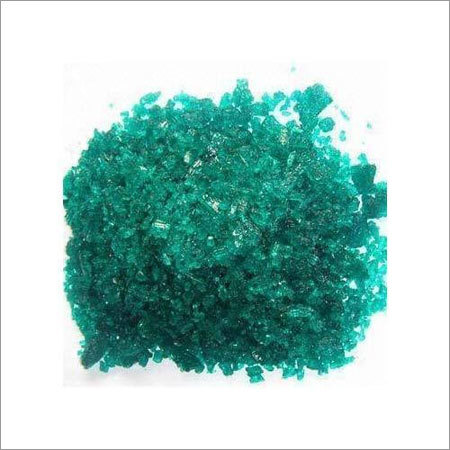
Nickel Nitrate
Price 100-10000 INR / Kilograms
Minimum Order Quantity : 50 Kilograms
HS Code : 28342990
Taste : Other, Metallic (toxic, not to be tasted)
Smell : Other, Odorless
Density : 2.05 Gram per cubic centimeter(g/cm3)

 Send Inquiry
Our Products


No. 4/C, Residence Garden Flats, Above Bank Of India, Usmanpura,Ahmedabad - 380013, Gujarat, India

Mr. Kaushal Gandhi
(Proprietor)
Mobile :+919328202932
 Send Inquiry
 Send SMS
 Call Me Free
Developed and Managed by Infocom Network Private Limited.
