
Call us now :+919328202932
 Send Inquiry
 Send Inquiry
Lead Dioxide
Price 100-10000 INR/ Kilograms
MOQ : 50 Kilograms
Lead Dioxide Specification
- Application
- Battery manufacturing, oxidizing agent, pyrotechnics
- EINECS No
- 215-174-5
- Grade
- Technical
- Molecular Formula
- PbO2
- Structural Formula
- O=[Pb]=O
- Product Type
- Inorganic Chemical
- Molecular Weight
- 239.2 g/mol
- Usage
- Used in lead-acid batteries, as catalyst, for electroplating
- HS Code
- 28259040
- Shelf Life
- Stable under correct storage
- Storage
- Store in tightly sealed container, away from acids
- Refractive Rate
- 2.3
- Melting Point
- 290 C (decomposes)
- Taste
- Tasteless
- Solubility
- Insoluble in water; soluble in acids
- Physical Form
- Powder
- Properties
- Strong oxidizing agent, insoluble in water, reacts with acids
- Smell
- Odorless
- Appearance
- Brownish-black powder
- Purity
- 99%
- Shape
- Crystalline powder
- Density
- 9.4 Gram per cubic centimeter(g/cm3)
- Poisonous
- Yes, toxic
- CAS No
- 1309-60-0
- Ingredients
- Lead (Pb), Oxygen (O)
- Ph Level
- 7 (Neutral)
- Boiling Point
- Decomposes before boiling
- Packaging Type
- HDPE drum, bag
- Particle Size
- Micronized
- UN Number
- 3082
- EC Number
- 215-174-5
- Safety Precautions
- Avoid inhalation, ingestion, and contact with skin
- Stability
- Stable under normal temperature and pressure
- Moisture Content
- <0.5%
- Hazard Class
- 6.1 (Toxic substances)
- Environmental Hazard
- Hazardous to aquatic environment
- Manufacturing Process
- Electrochemical oxidation
- Color
- Dark brown to black
Lead Dioxide Trade Information
- Minimum Order Quantity
- 50 Kilograms
- Supply Ability
- 1000 Kilograms Per Week
- Delivery Time
- 1 Week
About Lead Dioxide
We are offering high-quality Lead Dioxide which is an oxidizing agent. Basically, it is extensively used in making of dyes, matches, and rubber substitutes. This is a chemical compound whose chemical formula is PbO2. It does not have any specific odor and is in dark brown color. This compound is prepared in our advanced chemical factory using latest chemical synthesizers and tools responsible for the top grade product. We have packed this Lead Dioxide in an impermeable packaging to provide protection against surrounding impurities and other contaminants.
Specification
| Packaging Type | Bag |
| Form | Powder |
| Formula | PbO2 |
| Solubility in water | Insoluble in water |
| Color | Black |
| Melting point | 290 Degree C |
| Packaging Size | 25-50 kg |
| CAS Number | 1309-60-0 |
| Chemical formula | PbO2 |
| Molar mass | 239.1988 g/mol |
| Density | 9.38 g/cm3 |
| Usage/Application | Industrial |
| Purity | 99% |
| Shelf Life | 1 Year |
Product Details
| Minimum Order Quantity | 50 Kilogram |
| Color | Black |
| Packaging Type | Bag |
| Solubility in water | Insoluble in water |
| Melting point | 290 Degree C |
| Formula | PbO2 |
Exceptional Oxidizing Properties
Lead Dioxide is highly valued for its robust oxidizing capabilities, making it indispensable in electrochemical and industrial applications. Its stability under normal conditions and unique chemical reactivity with acids enable diverse uses in battery manufacturing, catalysis, and chemical synthesis. Because of its strong oxidative nature, it is integral to processes requiring efficient electron transfer.
Safe Handling and Storage
Due to its toxic nature and environmental hazards, Lead Dioxide must be handled with care. Protective equipment is essential, and direct contact or inhalation should be avoided. The product should be maintained in tightly sealed HDPE containers, shielded from acids, to ensure safety and stability. Proper handling mitigates health risks and preserves product quality.
Wide Range of Industrial Applications
Lead Dioxide is prominent in manufacturing lead-acid batteries, acting as a crucial component in battery electrodes. It also serves as an oxidizing agent for pyrotechnics and as a catalyst in various chemical reactions. The powders properties allow it to perform reliably in demanding industrial environments, supporting diverse manufacturing needs.
FAQs of Lead Dioxide:
Q: How is Lead Dioxide typically used in industrial applications?
A: Lead Dioxide is extensively used in the manufacturing of lead-acid batteries, serving as the material for positive electrodes. It also finds application as a catalyst in organic synthesis, in electroplating processes, and as an oxidizing agent in pyrotechnics and chemical manufacturing.Q: What safety precautions should be taken while handling Lead Dioxide?
A: As Lead Dioxide is classified as toxic and hazardous to the aquatic environment, handlers must use suitable protective equipment, avoid inhaling dust or fumes, and prevent contact with the skin or eyes. Work should be performed in a well-ventilated area, and the product must be kept in tightly sealed containers, away from acids.Q: Where should Lead Dioxide be stored and how does its packaging ensure safety?
A: This chemical should be stored in a cool, dry place, in tightly sealed HDPE drums or bags to prevent contamination and moisture absorption. These packaging materials resist corrosion and maintain the integrity of the powder, reducing environmental and health risks.Q: What are the benefits of using Lead Dioxide in battery manufacturing?
A: Lead Dioxides high purity and stable crystalline structure enable high efficiency and long life for lead-acid batteries. Its strong oxidizing capacity enhances the electrochemical performance, making it ideal for critical energy storage applications.Q: How is Lead Dioxide manufactured?
A: Lead Dioxide is produced mainly through electrochemical oxidation, where lead salts are oxidized to PbO2. This process results in a high-purity, micronized crystalline powder suitable for industrial use.Q: What should be done in case of accidental environmental release of Lead Dioxide?
A: In the event of a spill, contain the material to prevent it from entering waterways. Use proper protective equipment to collect and dispose of it as hazardous waste in accordance with local environmental regulations, as it is dangerous to aquatic life.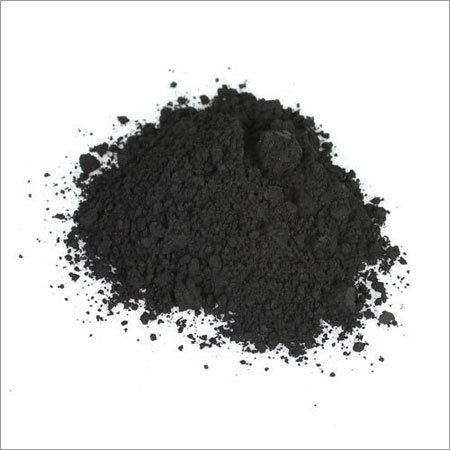
Tell us about your requirement

Price:
Quantity
Select Unit
- 50
- 100
- 200
- 250
- 500
- 1000+
Additional detail
Mobile number
Email


 Send Inquiry
Our Products


No. 4/C, Residence Garden Flats, Above Bank Of India, Usmanpura,Ahmedabad - 380013, Gujarat, India

Mr. Kaushal Gandhi
(Proprietor)
Mobile :+919328202932
 Send Inquiry
 Send SMS
 Call Me Free
Developed and Managed by Infocom Network Private Limited.
