
Call us now :+919328202932
 Send Inquiry
 Send Inquiry
Nickel Carbonate
Price 100-10000 INR/ Kilograms
MOQ : 100 Kilograms
Nickel Carbonate Specification
- Taste
- Odorless, tasteless
- Application
- Catalyst, ceramics, electroplating, pigment, and chemical intermediate
- Properties
- Stable, non-flammable, green crystalline solid, slight solubility in water
- Shelf Life
- 24 months in original packaging
- Molecular Weight
- 118.7 g/mol
- CAS No
- 3333-67-3
- HS Code
- 28369990
- Ingredients
- Nickel carbonate basic (NiCO3 . 2Ni(OH)2 . 4H2O), trace impurities
- EINECS No
- 222-068-2
- Storage
- Store in cool, dry area, away from acids and moisture
- Product Type
- Inorganic Compound
- Appearance
- Green powder
- Shape
- Crystalline powder
- Physical Form
- Powder
- Poisonous
- YES
- Molecular Formula
- NiCO3
- Usage
- Used in nickel electroplating, as pigments and ceramics, in catalyst preparation
- Smell
- Odorless
- Solubility
- Slightly soluble in water, soluble in acids
- Grade
- Industrial
- Structural Formula
- NiCO3
- Melting Point
- Decomposes before melting
- Ph Level
- 8-9 (slightly basic)
- Density
- 4.39 Gram per cubic centimeter(g/cm3)
- Purity
- 99%
Nickel Carbonate Trade Information
- Minimum Order Quantity
- 100 Kilograms
- Supply Ability
- 1000 Kilograms Per Week
- Delivery Time
- 1 Week
About Nickel Carbonate
Avail from us Nickel Carbonate which is the inorganic composition of the nickel and carbonate. This compound has the industrial significance as it is extensively used in metallurgical processes. It can be easily converted into the nickel oxide by the heating process. Generally, its reaction with the dilute acid produces carbon dioxide. This is available to us in the powder form which has pale green color. Besides, we are offering Nickel Carbonate in the market leading price.
Specification
| Physical State | Powder |
| Packaging Type | Bag |
| Packaging Size | 5-50 kg |
| Formula | NiCO3 |
| Molar mass | 118.7 g/mol |
| Density | 4.39 g/cm3 |
| Melting point | 205 Degree C |
| Shelf Life | 1 Year |
| Purity | 99% |
| Usage/Application | Industrial |
| Grade | Technical Grade |
Product Details
| Formula | NiCO3 |
| Physical State | Powder |
| Packaging Size | 5 kg, 25 kg, 50 kg |
| Packaging Type | Bag |
| Molar mass | 118.702 g/mol |
Versatile Industrial Applications
Nickel Carbonate serves as a critical material in various industries. Its uses range from nickel electroplating, pigment production for ceramics, and the manufacturing of catalysts, to serving as a chemical intermediate. Its stability and specific particle size make it suitable for high-performance industrial demands, making it a valuable product for manufacturers and exporters globally.
Safe Handling and Storage
Due to its toxic and irritant properties, Nickel Carbonate must be handled with care. Suitable protective equipment should be worn during handling to prevent inhalation or skin contact. Store the product in a cool, dry location, away from moisture and acids, in its original packaging to ensure maximum stability and a shelf life of 24 months.
FAQs of Nickel Carbonate:
Q: How should Nickel Carbonate be handled to minimize health risks?
A: Nickel Carbonate should be handled using appropriate personal protective equipment such as gloves, goggles, and a dust mask to avoid inhalation and skin contact. Ensure good ventilation during use and avoid generating dust. Always wash hands thoroughly after handling the product.Q: What is the recommended storage process for Nickel Carbonate to retain its stability?
A: Store Nickel Carbonate in a cool, dry area, away from moisture, acids, and sources of contamination. Use the original, tightly sealed packaging (bags, drums, or customized containers) and avoid exposure to open air to maintain its quality and stability for up to 24 months.Q: Where is Nickel Carbonate commonly used?
A: Nickel Carbonate is frequently used in industrial sectors such as ceramics (for pigments), nickel electroplating, preparation of catalysts, and as an intermediate chemical. Its green color and physical properties make it suitable for pigment manufacture and catalytic applications.Q: What benefits does Nickel Carbonate offer in industrial usage?
A: Nickel Carbonate boasts a high purity (99%) and stable green pigment, making it ideal for consistent results in electroplating and ceramics. Its use in catalytic and pigment applications supports efficient production processes across multiple industries.Q: When does Nickel Carbonate decompose, and what are the byproducts?
A: Nickel Carbonate undergoes thermal decomposition at temperatures exceeding 300C. During this process, it releases carbon dioxide (CO2) and forms nickel oxide (NiO), making it important to control processing temperatures.Q: What regulatory and safety standards does this product comply with?
A: Nickel Carbonate complies with REACH regulations and is labeled under UN Number: 3077, Hazard Class 9 (miscellaneous dangerous substances). Handle in accordance with local, regional, and international safety regulations for hazardous chemicals.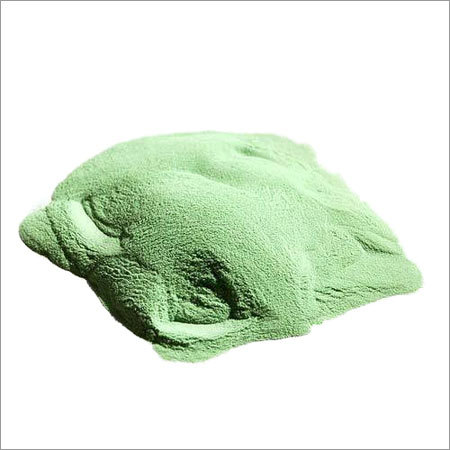
Tell us about your requirement

Price:
Quantity
Select Unit
- 50
- 100
- 200
- 250
- 500
- 1000+
Additional detail
Mobile number
Email

More Products in Nickel Chemical Category
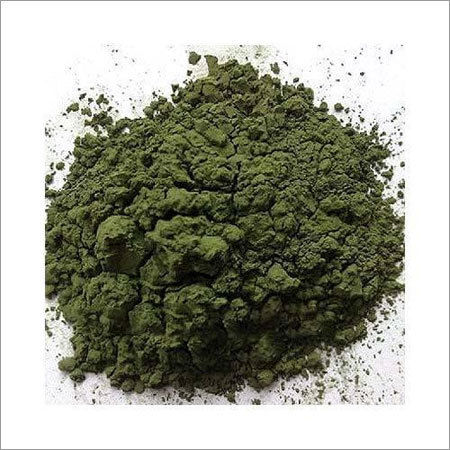
Nickel Oxide
Price 100-10000 INR / Kilograms
Minimum Order Quantity : 50 Kilograms
Density : 6.67 Gram per cubic centimeter(g/cm3)
Purity : 99% min
Structural Formula : NiO
Melting Point : 1984C
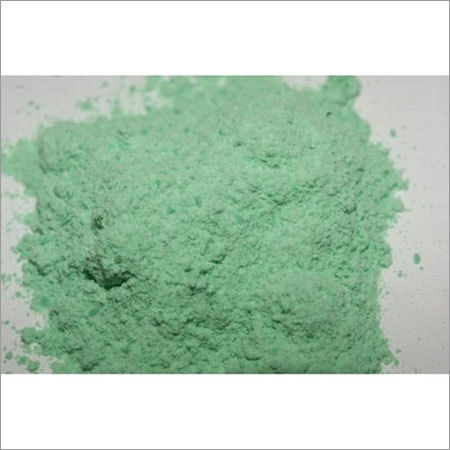
Nickel Hydroxide
Price 100-10000 INR / Kilograms
Minimum Order Quantity : 50 Kilograms
Density : 4.10 Gram per cubic centimeter(g/cm3)
Purity : 98.5% min
Structural Formula : [Ni(OH)2]
Melting Point : Decomposes before melting
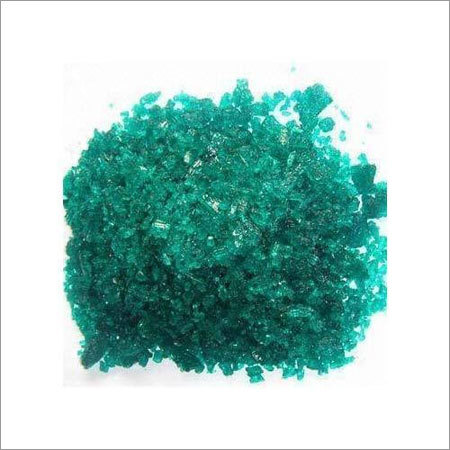
Nickel Nitrate
Price 100-10000 INR / Kilograms
Minimum Order Quantity : 50 Kilograms
Density : 2.05 Gram per cubic centimeter(g/cm3)
Purity : 9899%
Structural Formula : See chemical structure: [Ni(NO3)26H2O]
Melting Point : 56.7C (Decomposes)

 Send Inquiry
Our Products


No. 4/C, Residence Garden Flats, Above Bank Of India, Usmanpura,Ahmedabad - 380013, Gujarat, India

Mr. Kaushal Gandhi
(Proprietor)
Mobile :+919328202932
 Send Inquiry
 Send SMS
 Call Me Free
Developed and Managed by Infocom Network Private Limited.
