
Call us now :+919328202932
 Send Inquiry
 Send Inquiry
Nickel Nitrate
Price 100-10000 INR/ Kilograms
MOQ : 50 Kilograms
Nickel Nitrate Specification
- Melting Point
- 56.7C (Decomposes)
- Smell
- Odorless
- Shelf Life
- 24 months
- Appearance
- Green Crystals
- Molecular Weight
- 290.8 g/mol
- Application
- Electroplating, catalyst, laboratory reagent
- Poisonous
- YES
- Solubility
- Soluble in water, alcohol, and ammonia
- Ph Level
- Acidic (approx. 4 in 5% solution)
- Shape
- Crystalline Powder
- Physical Form
- Powder
- Purity
- 98-99%
- Structural Formula
- See chemical structure: [Ni(NO3)26H2O]
- Product Type
- Inorganic Compound
- Usage
- Used in nickel plating, battery manufacturing, and laboratory research
- Taste
- Metallic (toxic, not to be tasted)
- CAS No
- 13478-00-7
- Density
- 2.05 Gram per cubic centimeter(g/cm3)
- Properties
- Green crystalline solid, extremely hygroscopic, water soluble, oxidizing agent
- Storage
- Store in a cool, dry, well-ventilated place, away from combustible materials
- Molecular Formula
- Ni(NO3)26H2O
- Ingredients
- Nickel Nitrate Hexahydrate
- EINECS No
- 236-068-5
- HS Code
- 28342990
- Grade
- Technical Grade
- Smart TV Features
- Built-in WiFi, Screen Mirroring
- Sleep Timer
- Yes
- Viewing Angle
- 178
- Operating System
- Android
- Remote Battery Type
- AAA
- USB Ports
- 2
- Refresh Rate
- 60 Hz
Nickel Nitrate Trade Information
- Minimum Order Quantity
- 50 Kilograms
- Supply Ability
- 1000 Kilograms Per Week
- Delivery Time
- 1 Week
About Nickel Nitrate
Nickel Nitrate that we are offering is the inorganic compound which is a green color crystalline solid. It is completely soluble in the water. Basically, it is an industry-specific chemical which is used for the nickel plating and other chemical manufacturing. Having formulated in our advanced chemical lab, this compound is sure to surpass the high expectations of the clients. In addition to this, due to the incorporation of the first rate ores and other raw materials used in the production, our offered Nickel Nitrate is of high quality.
Product Details
| Appearance | Green Crystals |
| Packaging Type | Bag |
| Molar mass | 182.703 g/mol |
| Melting point | 56.7 Degree C |
| Formula | Ni(NO3)2 |
| Boiling point | 136.7 Degree C |
Specifications:
Density: 2.05 g/cm³
Other Details
| Packaging Type | Bag |
| Formula | Ni(NO3)2 |
| Molar mass | 290.79 g/mol |
| Melting point | 56.7 Degree C |
| Boiling point | 136.7 Degree C |
| Density | 2.05 g/cm3 |
| CAS Number | 13478-00-7 |
| Packaging Size | 25-50 kg |
| Shelf Life | 1 Year |
| Purity | 98-99% |
| Usage/Application | Industrial |
| Grade | Technical Grade |
Applications and Uses
Nickel Nitrate Hexahydrate is prominently used as a catalyst and oxidizing agent in various chemical processes. Its main industries of application include electroplating, battery manufacture, and academic research. In electroplating, it enables the uniform deposition of nickel onto metal surfaces, enhancing durability and corrosion resistance. Laboratory researchers use it as a reagent for analytical purposes, while the battery industry values its pure nickel content.
Safety and Handling Precautions
As a hazardous substance (UN 2725), Nickel Nitrate Hexahydrate must be handled with appropriate safety measures. Its risk phrases highlight its toxicity via inhalation, skin contact, and ingestion, along with its oxidizing properties that may cause fires when exposed to combustible materials. Always use personal protective equipment, store away from incompatibles such as reducing agents, and seek immediate medical attention if exposure occurs.
Physical and Chemical Properties
Nickel Nitrate Hexahydrate appears as green, needle-like crystals under a microscope. It is odorless, extremely hygroscopic, and acidic in aqueous solutions, with a melting point of 56.7C (decomposes above this temperature). The compound offers excellent solubility in water, alcohol, and ammonia. Its density is 2.05 g/cm, and it remains stable under recommended storage conditions for up to 24 months.
FAQs of Nickel Nitrate:
Q: How should Nickel Nitrate Hexahydrate be stored and handled safely?
A: Nickel Nitrate Hexahydrate should be kept in a cool, dry, and well-ventilated place, away from combustible and incompatible materials such as strong reducing agents and powdered metals. Always wear appropriate personal protective equipment, and avoid any direct contact or inhalation.Q: What processes commonly utilize Nickel Nitrate Hexahydrate?
A: It is commonly used in electroplating to deposit nickel coatings, in battery production for its nickel content, and as a laboratory reagent or catalyst in chemical reactions due to its strong oxidizing properties.Q: When does Nickel Nitrate Hexahydrate decompose, and why is this important?
A: It begins to lose its water of crystallization at 56.7C and fully decomposes above 100C. Understanding this is crucial for safe storage and usage, as decomposition can release toxic gases and reduce its reactivity.Q: Where is Nickel Nitrate Hexahydrate typically applied?
A: This compound finds widespread use in industrial plants for metal finishing (electroplating), battery manufacturing facilities, and research laboratories for analytical and catalytic purposes.Q: What are the main benefits of using Nickel Nitrate Hexahydrate in electroplating?
A: Its primary benefit in electroplating is enabling a smooth, even nickel coating that enhances metal durability, corrosion resistance, and appearance, which is highly valued in automotive, electronics, and manufacturing industries.Q: How does Nickel Nitrate Hexahydrate react with water and other substances?
A: Nickel Nitrate Hexahydrate is extremely soluble in water, alcohol, and ammonia. However, it can react violently with reducing agents, organic materials, or powdered metals, which may result in hazardous conditions.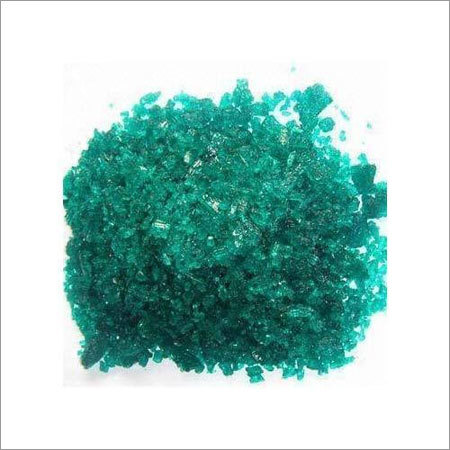
Tell us about your requirement

Price:
Quantity
Select Unit
- 50
- 100
- 200
- 250
- 500
- 1000+
Additional detail
Mobile number
Email

More Products in Nickel Chemical Category
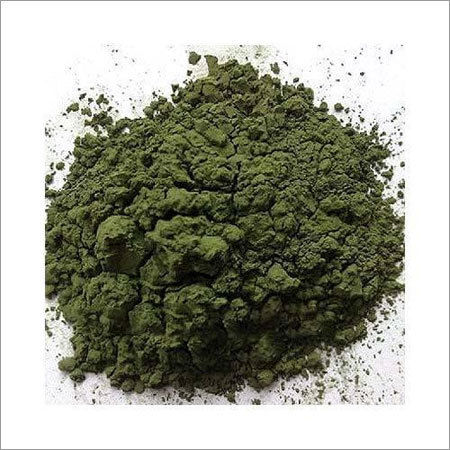
Nickel Oxide
Price 100-10000 INR / Kilograms
Minimum Order Quantity : 50 Kilograms
Solubility : Insoluble in water; soluble in acids
Appearance : Green to black powder
Poisonous : YES
Application : Other , Catalyst, ceramics, electronic components, glass, batteries
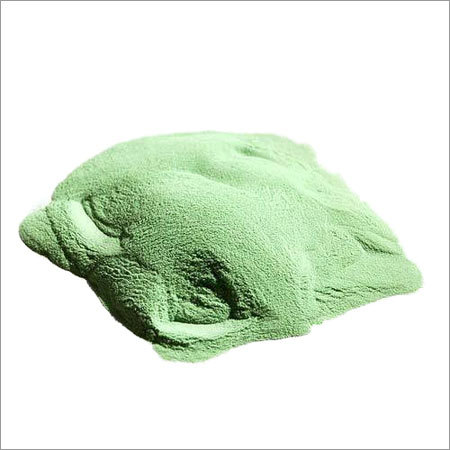
Nickel Carbonate
Price 100-10000 INR / Kilograms
Minimum Order Quantity : 100 Kilograms
Solubility : Slightly soluble in water, soluble in acids
Appearance : Green powder
Poisonous : YES
Application : Other , Catalyst, ceramics, electroplating, pigment, and chemical intermediate
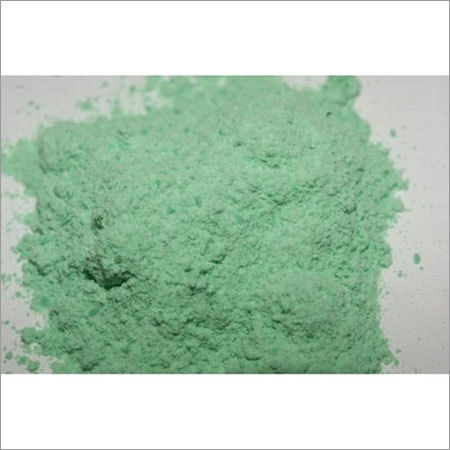
Nickel Hydroxide
Price 100-10000 INR / Kilograms
Minimum Order Quantity : 50 Kilograms
Solubility : Insoluble in water, soluble in acids
Appearance : Green powder
Poisonous : Other, Yes (Toxic if inhaled or ingested)
Application : Other , Batteries (NiCd, NiMH), electroplating, catalysts, ceramics, chemical intermediate

 Send Inquiry
Our Products


No. 4/C, Residence Garden Flats, Above Bank Of India, Usmanpura,Ahmedabad - 380013, Gujarat, India

Mr. Kaushal Gandhi
(Proprietor)
Mobile :+919328202932
 Send Inquiry
 Send SMS
Developed and Managed by Infocom Network Private Limited.
