
Call us now :+919328202932
 Send Inquiry
 Send Inquiry
Nickel Hydroxide
Price 100-10000 INR/ Kilograms
MOQ : 50 Kilograms
Nickel Hydroxide Specification
- Physical Form
- Powder
- Structural Formula
- [Ni(OH)2]
- Shape
- Crystalline / Amorphous Powder
- Appearance
- Green powder
- Purity
- 98.5% min
- Poisonous
- Yes (Toxic if inhaled or ingested)
- EINECS No
- 235-008-5
- Smell
- Odorless
- Melting Point
- Decomposes before melting
- Molecular Weight
- 92.71 g/mol
- HS Code
- 28250020
- Taste
- Odorless
- Storage
- Store in a cool, dry, well-ventilated place away from acids and strong oxidizers, in tightly sealed containers.
- Product Type
- Inorganic Compound
- Molecular Formula
- Ni(OH)2
- Density
- 4.10 Gram per cubic centimeter(g/cm3)
- Ingredients
- Nickel(II) hydroxide
- Grade
- Industrial, Battery, Electroplating
- Ph Level
- ~8.0 (slightly basic)
- Usage
- Cathode material for rechargeable alkaline batteries, electroplating, chemical synthesis
- CAS No
- 12054-48-7
- Application
- Batteries (Ni-Cd, Ni-MH), electroplating, catalysts, ceramics, chemical intermediate
- Shelf Life
- 3 years under specified conditions
- Properties
- Green powder; Insoluble in water; Decomposes on heating; Sensitive to air and light.
- Solubility
- Insoluble in water, soluble in acids
- Compatibility
- Hugemed VLM processors
- Field of View
- 120 degrees
- Channel Support
- Suction, BAL, biopsy
- Atraumatic Insertion
- Pre-lubricated distal tip
- Working Channel Width
- 600MM maximum
- Therapeutic Use
- ICU, ER, pulmonology
- Angulation Up/Down
- 210 range
- Sizes Available
- 2.2 mm-5.8 mm OD
- Tip Flexibility
- 210 degrees
- Packing
- Individually sterile packed
- Contamination Risk
- Eliminated by single-use
Nickel Hydroxide Trade Information
- Minimum Order Quantity
- 50 Kilograms
- Supply Ability
- 1000 Kilograms Per Week
- Delivery Time
- 1 Week
About Nickel Hydroxide
Nickel Hydroxide that we are offering is an apple green color solid which can be dissolved in the ammonia and amines. It can be easily converted into the nickel oxy-hydroxide and therefore can be utilized for the manufacturing of rechargeable battery. Having synthesized in our advanced chemical factory, this compound is highly effective and suitable for the industrial purposes. Besides, offered Nickel Hydroxide is available to us in the cost-effective price range.
Product details
| Formula | Ni(OH)2 |
| Physical State | Powder |
| Molar mass | 92.708 g/mol |
| Melting point | 230 Degree C |
Specifications:
Density: 4.1 g/cm³
Other Details
| Physical State | Powder |
| Melting point | 230 Degree C |
| Molar mass | 92.724 g/mol |
| Formula | Ni(OH)2 |
| Packaging Type | Bag |
| Packaging Size | 25-50 kg |
| Shelf Life | 1 Year |
| Purity | 99% |
| Usage/Application | Industrial |
| Grade | Technical Grade |
| CAS Number | 12054-48-7 |
| Density | 4.10 g/cm3 |
High-Performance Cathode Material
Nickel Hydroxide is extensively used as a cathode material in rechargeable alkaline batteries, including Ni-Cd and Ni-MH types. Its excellent electrochemical properties allow rechargeable batteries to deliver reliable energy storage in various electronics and electric vehicles.
Safe Handling and Storage Guidelines
Wear gloves, goggles, and a dust mask when handling Nickel Hydroxide, as it is toxic if inhaled or ingested. Store the powder in tightly sealed containers, away from strong acids and oxidizers, in cool, dry, and well-ventilated spaces. Adherence to these protocols ensures safety and maintains product quality for up to 3 years.
Versatile Industrial Applications
With a purity of at least 98.5%, Nickel Hydroxide is suitable for diverse uses beyond batteries. It is valued in electroplating, as a catalyst, and for producing ceramics and chemical intermediates, owing to its insolubility in water, moderate basicity, and stable crystalline or amorphous form.
FAQs of Nickel Hydroxide:
Q: How should Nickel Hydroxide be safely stored and handled in the workplace?
A: Nickel Hydroxide should be handled with gloves, safety goggles, and a dust mask to prevent skin contact and inhalation. It must be stored in tightly sealed containers within a cool, dry, and well-ventilated area, apart from acids and oxidizers to maintain stability and prevent hazardous reactions.Q: What are the primary uses and benefits of Nickel Hydroxide?
A: Nickel Hydroxide is primarily used as a cathode material in Ni-Cd and Ni-MH batteries, electroplating, catalysts, ceramics, and as a chemical intermediate. Its stable, slightly basic nature, high purity, and ability to conduct electrochemical reactions make it valuable across these applications.Q: When does Nickel Hydroxide begin to decompose, and what are the byproducts?
A: Nickel Hydroxide decomposes before melting, especially upon heating. This thermal decomposition yields nickel oxide (NiO) and releases water vapor. Such decomposition may be hazardous and should be managed in controlled environments.Q: Where is Nickel Hydroxide commonly exported and used globally?
A: Nickel Hydroxide is exported worldwide, with primary markets in the battery industry and scientific laboratories. It is prominently used in manufacturing rechargeable batteries, especially in regions with strong electronics and automotive sectors.Q: What is the recommended process for disposing of Nickel Hydroxide?
A: Due to its aquatic toxicity and hazardous nature, Nickel Hydroxide should not be allowed to enter soil, drains, or waterways. Disposal must comply with local hazardous waste regulations, typically via approved waste management facilities.Q: How does exposure to light affect Nickel Hydroxide?
A: When exposed to light, Nickel Hydroxide tends to darken in color. This does not significantly impact its chemical utility, but prolonged exposure may alter its appearance and potentially reduce its usable shelf life.Q: What precautions should be taken to ensure environmental safety with Nickel Hydroxide?
A: Care must be taken to prevent accidental release into the environment. Spills should be promptly contained and cleaned, and waste must be stored securely to avoid contamination of soil and waterways, as the compound poses significant aquatic toxicity risks.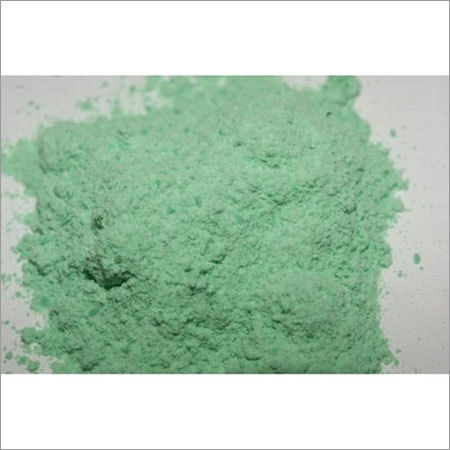
Tell us about your requirement

Price:
Quantity
Select Unit
- 50
- 100
- 200
- 250
- 500
- 1000+
Additional detail
Mobile number
Email

More Products in Nickel Chemical Category
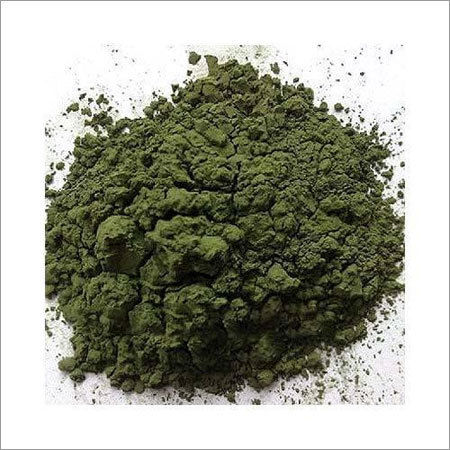
Nickel Oxide
Price 100-10000 INR / Kilograms
Minimum Order Quantity : 50 Kilograms
Ph Level : 8.3 (10% aq. sus.)
Usage : Used in ceramics, nickel salts, battery electrodes
Application : Other , Catalyst, ceramics, electronic components, glass, batteries
CAS No : 1313991
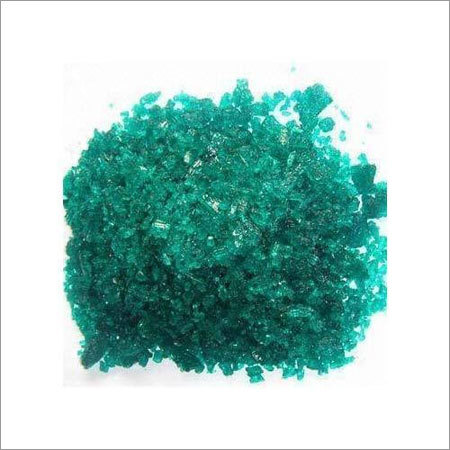
Nickel Nitrate
Price 100-10000 INR / Kilograms
Minimum Order Quantity : 50 Kilograms
Ph Level : Acidic (approx. 4 in 5% solution)
Usage : Used in nickel plating, battery manufacturing, and laboratory research
Application : Other , Electroplating, catalyst, laboratory reagent
CAS No : 13478007
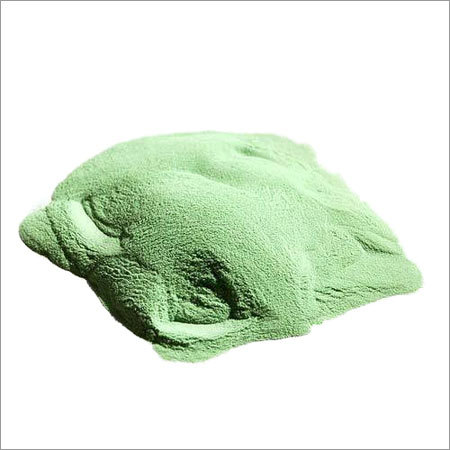
Nickel Carbonate
Price 100-10000 INR / Kilograms
Minimum Order Quantity : 100 Kilograms
Ph Level : 89 (slightly basic)
Usage : Used in nickel electroplating, as pigments and ceramics, in catalyst preparation
Application : Other , Catalyst, ceramics, electroplating, pigment, and chemical intermediate
CAS No : 3333673

 Send Inquiry
Our Products


No. 4/C, Residence Garden Flats, Above Bank Of India, Usmanpura,Ahmedabad - 380013, Gujarat, India

Mr. Kaushal Gandhi
(Proprietor)
Mobile :+919328202932
 Send Inquiry
 Send SMS
 Call Me Free
Developed and Managed by Infocom Network Private Limited.
