
Call us now :+919328202932
 Send Inquiry
 Send Inquiry
Molybdenum Trioxide
Price 100-10000 INR/ Kilograms
MOQ : 50 Kilograms
Molybdenum Trioxide Specification
- Boiling point
- Not applicable (decomposes)
- Molecular Weight
- 143.94 g/mol
- Smell
- Odorless
- HS Code
- 28259040
- Form
- Fine Crystalline Powder
- Density
- 4.70 Gram per cubic centimeter(g/cm3)
- Refractive Rate
- 2.12
- Shape
- Powder
- Molecular Formula
- MoO3
- Taste
- Odorless and tasteless
- Purity
- 99.5% min
- Storage
- Keep container tightly closed and dry
- Structural Formula
- O3Mo
- Poisonous
- Yes
- Other Names
- Molybdic Anhydride
- Solubility
- Slightly soluble in water, soluble in alkalis and acids
- Melting Point
- 795C
- Classification
- Oxide
- Chemical Name
- Molybdenum Trioxide
- CAS No
- 1313-27-5
- EINECS No
- 215-204-7
- Grade
- Industrial Grade
- Standard
- Technical grade standard
- Type
- Inorganic Chemical Compound
- Usage
- Industrial, laboratory, chemical synthesis
- Main Material
- Molybdenum Trioxide
- Application
- Glass, ceramics, catalysts, pigments, metallurgy
- Packaging
- 25 kg bags / drums
- Hazardous Class
- Class 6.1 (Toxic substances)
- Transport Information
- UN 3288
- Mo Content
- 66.4% min
- Appearance
- White to slightly yellow powder
- Stability
- Stable under normal conditions
- Particle Size
- 98% passes 200 mesh
- Shelf Life
- 24 months
Molybdenum Trioxide Trade Information
- Minimum Order Quantity
- 50 Kilograms
- Supply Ability
- 1000 Kilograms Per Week
- Delivery Time
- 1 Week
About Molybdenum Trioxide
Molybdenum Trioxide that we are offering is widely appreciated owing to its perfect molecular integrity, high quality and its property to speed up the time consuming chemical reactions. For which this compound is employed as a catalyst in the oil industry. This chemical is used in the preparation of metal molybdenum. Since it has a broad energy gap, it has distinctive electrochromic, thermochromic, and photochromic properties. Apart from this, we are offering Molybdenum Trioxide at a very competitive price.
Product details
| Boiling point | 1155 Degree C |
| Physical State | Powder |
| Packaging Size | 5 kg, 25 kg, 50 kg |
| Odor | Odorless |
| Molar mass | 143.95 g/mol |
| Melting point | 795 Degree C |
| Formula | MoO3 |
Specifications:
Density: 4.69 g/cm3
Other Details
| Usage/Application | Industrial |
| Grade Standard | Technical Grade |
| PH Value | 5-7 |
| Purity | 99% |
| Packaging Type | Bag |
| Density | 4.32 g/cm3 |
| Melting Point | 900 Degree C |
| Shelf Life | 1 year |
| Molar Mass | 225.33 g/mol |
| Cas-No | 13767-32-3 |
| Packaging Size | 25-50 kg |
| Form Of Chemicals | Powder |
| Chemical formula | ZnMoO4 |
Versatile Industrial Applications
Molybdenum Trioxide serves critical roles in the production of glass, ceramics, paints, catalysts, and metallurgy. Its chemical stability and high purity make it an indispensable component for chemical synthesis and laboratory processes. As an inorganic oxide, it enhances product properties such as durability and color stability in various industries.
Safe Handling and Storage Practices
To preserve its integrity and maintain its 24-month shelf life, the compound should be stored in a dry, tightly closed container. Adequate ventilation and protective equipment are necessary when handling, as the material is classified as toxic (Class 6.1). Compliance with safety and transport regulations (UN 3288) ensures secure and efficient operations.
FAQs of Molybdenum Trioxide:
Q: How should Molybdenum Trioxide be stored for maximum shelf life?
A: Molybdenum Trioxide should be stored in tightly closed, dry containers and kept in a well-ventilated area to maintain its 24-month shelf life. Avoid exposure to moisture and ensure storage away from incompatible materials.Q: What are the primary industrial uses of Molybdenum Trioxide?
A: This compound is widely utilized in glass manufacturing, ceramics, catalysts, pigments, metallurgy, and a range of chemical synthesis applications due to its stability and high molybdenum content.Q: When is Molybdenum Trioxide considered hazardous and what precautions are needed during transport?
A: Classified as a toxic substance (Class 6.1), it poses risks if ingested or inhaled. Transport must adhere to UN 3288 regulations, and handlers should use appropriate personal protective equipment.Q: Where can Molybdenum Trioxide be sourced in bulk quantities?
A: It is produced and supplied by exporters and manufacturers in India, typically available in 25 kg bags or drums suited for industrial-scale operations.Q: What benefits does Molybdenum Trioxide offer in glass and ceramic manufacturing?
A: Its high purity and chemical stability help enhance color properties and durability in glass and ceramics, improving final product quality and performance.Q: How is Molybdenum Trioxide used in laboratory and chemical synthesis processes?
A: In laboratories and chemical synthesis, it acts as an oxidizing agent or catalyst, facilitating a range of reactions due to its solubility in acids and alkalis and reliable purity.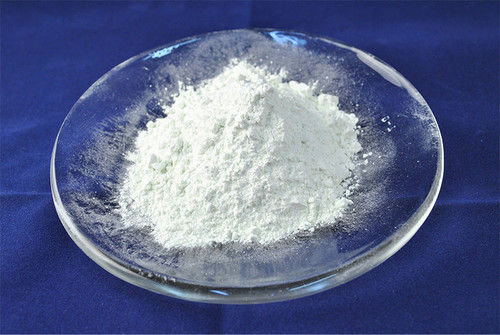
Tell us about your requirement

Price:
Quantity
Select Unit
- 50
- 100
- 200
- 250
- 500
- 1000+
Additional detail
Mobile number
Email

More Products in Industrial Chemicals Category
Sodium Molybdate
Price 10000 INR / Kilograms
Minimum Order Quantity : 50 Kilograms
Form : Other, Powder, Crystals
Grade : Other, Industrial Grade, Reagent Grade
Taste : Bitter
Purity : 99%
Sodium Metavanadate
Price nan INR / Kilograms
Minimum Order Quantity : 50 Kilograms
Form : Other, Powder or Granules
Grade : Other, Technical, Analytical
Taste : Other , Saline (not for consumption)
Purity : >98%
Zinc Molybdate
Price 100-10000 INR / Kilograms
Minimum Order Quantity : 50 Kilograms
Form : Other, Fine Powder
Grade : Other, Technical Grade
Taste : Other , Tasteless
Purity : Approximately 98%

Potassium Metavanadate
Price 500.0 INR / Kilograms
Minimum Order Quantity : 50 Kilograms
Form : Powder
Grade : Industrial Grade
Taste : Odorless
Purity : Very high

 Send Inquiry
Our Products


No. 4/C, Residence Garden Flats, Above Bank Of India, Usmanpura,Ahmedabad - 380013, Gujarat, India

Mr. Kaushal Gandhi
(Proprietor)
Mobile :+919328202932
 Send Inquiry
 Send SMS
Developed and Managed by Infocom Network Private Limited.
