
Call us now :+919328202932
 Send Inquiry
 Send Inquiry
Bismuth Nitrate
Price 100-10000 INR/ Kilograms
MOQ : 50 Kilograms
Bismuth Nitrate Specification
- Usage
- Used in chemical synthesis, production of other bismuth compounds, laboratory analysis
- CAS No
- 10027-38-2
- Appearance
- White crystalline powder
- EINECS No
- 233-118-8
- Grade
- Technical, Laboratory, Analytical
- Ph Level
- Acidic, pH <1
- Structural Formula
- Bi(NO3)35H2O
- Refractive Rate
- Not applicable / not determined
- Smell
- Odorless
- Poisonous
- YES
- Shape
- Crystalline
- Taste
- Tasteless
- HS Code
- 28349990
- Molecular Weight
- 485.07 g/mol
- Application
- Analytical reagent, pharmaceutical intermediate, catalyst, pigments
- Product Type
- Inorganic Compound / Chemical
- Purity
- 99% minimum
- Solubility
- Soluble in water, ethanol, nitric acid
- Melting Point
- Type-dependent, decomposes at 30C (pentahydrate)
- Ingredients
- Bismuth(III) Nitrate Pentahydrate
- Density
- 2.83 Gram per cubic centimeter(g/cm3)
- Storage
- Store tightly closed, away from moisture, heat and incompatible materials
- Shelf Life
- 24 months under recommended conditions
- Properties
- Strong oxidizer, reacts with reducing agents, decomposes on heating, non-flammable
- Physical Form
- Powder
- Molecular Formula
- Bi(NO3)35H2O
- Moisture Content
- <1%
- UN Number
- UN 1477
- Particle Size
- Micronized (typical: 44 micron or less)
- Handling Precaution
- Wear protective equipment; handle in well-ventilated area
- Stability
- Stable under dry, cool conditions; sensitive to heat and moisture
- Hazards
- Causes severe eye and skin irritation; harmful if inhaled or ingested
- Signal Word
- Warning
- Boiling Point
- Decomposes before boiling
- Transport
- Not regulated for air, regulated for road and sea (hazardous)
- Grade Standard
- Industrial / Analytical Grade
- Packaging Type
- HDPE Bottles, Glass Bottles, Custom Packaging
Bismuth Nitrate Trade Information
- Minimum Order Quantity
- 50 Kilograms
- Supply Ability
- 1000 Kilograms Per Week
- Delivery Time
- 1 Week
About Bismuth Nitrate
Our offered Bismuth Nitrate is an inorganic salt which is used for the variety of applications. It is useful for medical purposes and also is extensively employed in the manufacturing of cosmetics, pigments, paints, and batteries. This compound is formulated in our advanced chemical factory with the help of pioneering tools and equipment in order to produce the top-notch compound. Owing to its efficacy, this has become the most preferred chemical for the several industrial applications. Bismuth Nitrate can be availed from us in the cost-effective price range.
Product Details
| Appearance | White crystals |
| Packaging Type | Bag |
| Molar mass | 484.996 g/mol |
| Melting Point | 30 Degree C |
| Formula | BiH10N3O14 |
| Color | White |
| Boiling Point | 75-80 Degree C |
Precise Composition and Properties
Bismuth Nitrate Pentahydrate is characterized by excellent solubility in water, ethanol, and nitric acid. It possesses a high density and is both odorless and tasteless. The compound decomposes at around 30C and exhibits highly acidic properties. Its strong oxidizing nature requires careful separation from reducing agents and incompatible materials.
Safety Handling and Storage Guidelines
Due to its severe toxicity if inhaled or ingested, and potential for causing skin and eye irritation, Bismuth Nitrate should be handled exclusively with protective gear in well-ventilated settings. Store the powder in tightly sealed HDPE or glass containers, away from moisture and excessive heat. When stored properly, it remains stable for up to 24 months.
Versatile Applications Across Industries
With uses ranging from chemical synthesis and laboratory analysis to pharmaceutical intermediates and pigments, Bismuth Nitrate offers significant value to research, manufacturing, and industrial operations. Its fine particle size and high purity ensure consistency and reliability across diverse analytical and production processes.
FAQs of Bismuth Nitrate:
Q: How should Bismuth Nitrate be handled to ensure safety?
A: Always handle Bismuth Nitrate while wearing suitable protective equipment such as gloves, safety goggles, and lab coats. Work in a well-ventilated area to avoid inhalation or skin and eye contact, as the powder is harmful and can cause severe irritation.Q: What are the recommended storage conditions for Bismuth Nitrate?
A: Bismuth Nitrate should be stored tightly closed, in a cool, dry environment, and away from sources of heat, moisture, and incompatible substances like reducing agents. Following these guidelines ensures product stability for up to 24 months.Q: Where can Bismuth Nitrate be utilized?
A: This compound finds application in analytical laboratories, chemical synthesis, pharmaceutical manufacturing, and as a catalyst or pigment precursor in industrial settings. Its versatility makes it valuable for various research and production needs.Q: What are the main hazards associated with Bismuth Nitrate?
A: Bismuth Nitrate is toxic and can cause severe eye and skin irritation. It is harmful if inhaled or ingested and acts as a strong oxidizer, requiring special attention during storage and handling to prevent accidents.Q: Why is particle size important in Bismuth Nitrate applications?
A: The micronized particle size (typically 44 microns or smaller) ensures better solubility and reactivity, which is essential for consistent results in laboratory analysis, catalyst functions, and when used in chemical synthesis.Q: How is Bismuth Nitrate typically packaged and transported?
A: It is supplied in high-density polyethylene (HDPE) or glass bottles and can be custom-packaged as needed. While not regulated for air transport, it is classified as hazardous for road and sea transit (UN 1477), and should be labeled accordingly during shipment.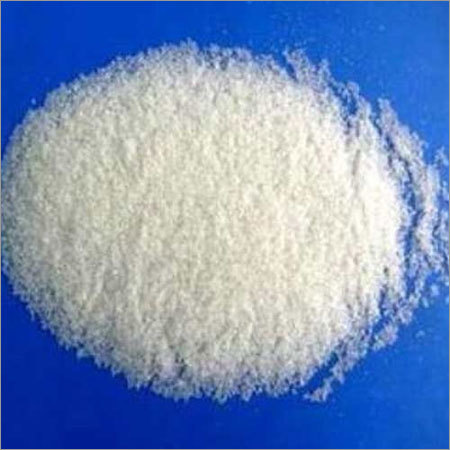
Tell us about your requirement

Price:
Quantity
Select Unit
- 50
- 100
- 200
- 250
- 500
- 1000+
Additional detail
Mobile number
Email

More Products in Bismuth Chemicals Category
Bismuth Subgallate
Price 100-10000 INR / Kilograms
Minimum Order Quantity : 50 Kilograms
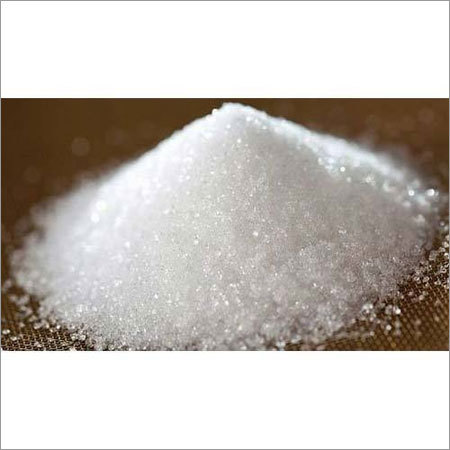
Physical Form : Powder
Molecular Formula : C7H5BiO6
Properties : Odorless, tasteless, yellowgreen powder; Insoluble in water; Stable under recommended storage conditions; Nonvolatile
Shelf Life : 5 years under recommended conditions
Bismuth Trioxide
Price 100-10000 INR / Kilograms
Minimum Order Quantity : 50 Kilograms
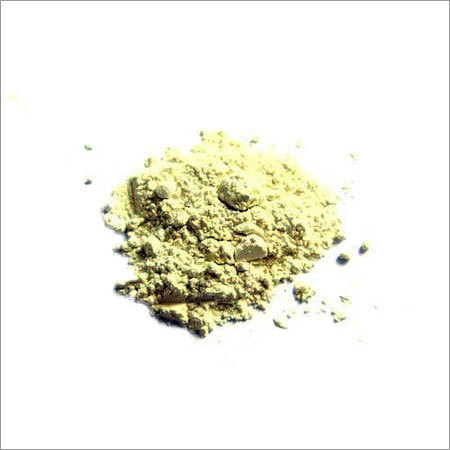
Physical Form : Powder
Molecular Formula : Bi2O3
Properties : High thermal stability, insoluble in water, yellow color, low toxicity
Shelf Life : 2 years
Bismuth Oxychloride
Price 100-10000 INR / Kilograms
Minimum Order Quantity : 50 Kilograms
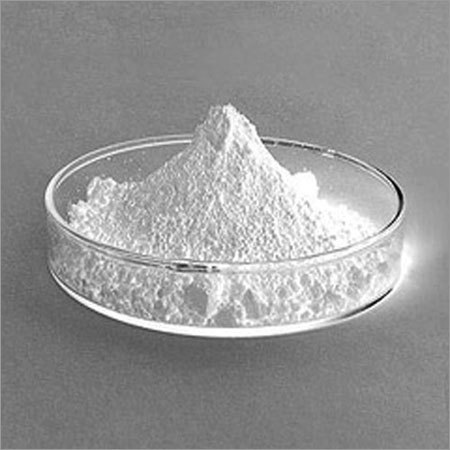
Physical Form : Powder
Molecular Formula : BiOCl
Properties : High purity, excellent covering power, pearlescent effect, nontoxic, stable under normal conditions.
Shelf Life : 24 months if properly stored

Bismuth Subnitrate
Price 100-10000 INR / Kilograms
Minimum Order Quantity : 50 Kilograms
Physical Form : Powder
Molecular Formula : Bi5O(OH)9(NO3)4
Properties : Insoluble in water, stable under normal conditions, low toxicity, nonflammable
Shelf Life : 2 years

 Send Inquiry
Our Products


No. 4/C, Residence Garden Flats, Above Bank Of India, Usmanpura,Ahmedabad - 380013, Gujarat, India

Mr. Kaushal Gandhi
(Proprietor)
Mobile :+919328202932
 Send Inquiry
 Send SMS
Developed and Managed by Infocom Network Private Limited.
